Rechercher dans ce blog

Tuesday, March 30, 2021

Endangered Oyster Reefs Are Given New Life By Sea & Shoreline - PRNewswire

sea.indah.link

Since the 1950's, Naples Bay has lost 80% of its oyster reefs due to development, dredging, erosion from boat wakes, and decreasing water quality.  Oyster restoration has been an ongoing effort in Naples Bay for over 10 years, and is accomplished by the placement of hard substrate on the bay bottom allowing juvenile oysters to recruit onto the reefs and eventually form new thriving reefs. The reefs will provide necessary vital habitat and food sources for many organisms, provide shoreline protection, increase coastal resiliency, as well as offer natural water filters which will help remove pollutants from the bay.  They also expand recreational opportunities, as kayakers and anglers also utilize these areas.

The project was a collaboration between Sea & Shoreline and the City of Naples, all in an effort to support conservation and environmental enhancement.

"Oyster reefs are among the most threatened habitats in the world and need our protection," said Sea & Shoreline President Carter Henne. "They provide safe and sustainable environments for aquatic ecosystems to flourish.  One adult oyster can filter up to 50 gallons of water a day, making them integral to the health of aquatic environments."

"As a coastal city, the City of Naples is always striving to improve water quality, restore impacted habitats, and maintain a healthy environment," said Katie Laakkonen, Interim Natural Resources Manager for The City of Naples. "Working with Sea & Shoreline to continue our oyster restoration efforts was a great experience. This site posed some challenges, including navigating a bridge with low clearance, and they adapted and innovated to get the work completed quickly and efficiently.  Thanks to Sea & Shoreline, we have four newly created reefs that we look forward to watching grow in the future."

Since its inception in 2015, Sea & Shoreline's unparalleled experience with scientifically validated methods of aquatic restoration has proven successful across more than 150 environmental projects. The company continues to be the industry leader in rehabilitating threatened and corrupted aquatic environments. Other current and upcoming projects include dredging of muck and restoration of nearly 50 acres of seagrass habitat within the Kings Bay Restoration Project in Crystal River, Fla. and seagrass restorations in the Indian River Lagoon, the Caloosahatchee River, and the Homosassa River.

ABOUT SEA & SHORELINE
Sea & Shoreline, LLC is a Florida-based aquatic restoration firm with two decades of experience restoring fresh and saltwater habitats to healthy and self-sustaining ecosystems. Sea & Shoreline has completed over 150 habitat restoration projects. Services include seagrass, oyster reef, coral reef, and propeller scar restorations, dredging, living shorelines, vegetated retaining walls, wetland plantings, berm stabilizations, and seagrass mitigation banking. For more information, please visit seaandshoreline.com, or follow us on social media  LinkedIn, Facebook, Instagram, and YouTube.

Contact: Heather Herold
[email protected] 
(321) 626-6760

SOURCE Sea & Shoreline, LLC

Related Links

http://www.seaandshoreline.com/

The Link Lonk


March 30, 2021 at 04:00PM
https://ift.tt/39qBkeO

Endangered Oyster Reefs Are Given New Life By Sea & Shoreline - PRNewswire

https://ift.tt/2CoSmg4
Sea

Monday, March 29, 2021

Ship Is Freed After a Costly Lesson in the Vulnerabilities of Sea Trade - The New York Times

sea.indah.link

SUEZ, Egypt — For six days, billions of dollars’ worth of international commerce sat paralyzed at either end of the Suez Canal, stalled thanks to a single giant container ship apparently knocked sideways by a powerful southerly wind.

The ship’s insurers and the canal authorities summoned the largest tugboats in the canal, then two even larger ones from further afield. They deployed diggers, front-end loaders and specialized dredgers to guzzle sand and mud from where the ship was lodged at both ends. They called in eight of the world’s most respected salvage experts from the Netherlands.

Day and night, with international pressure bearing down, the dredgers dredged and the tugboats tugged.

But not until the seventh day, after the confluence of the full moon and the sun conjured an unusually high tide, did the ship wriggle free with one last heave shortly after 3 p.m., allowing the first of the nearly 400 ships waiting to resume their journeys by Monday evening.

In the aftermath of one of the most consequential shipping accidents in history, the global supply chain industry will have a cascade of costly delays to contend with and much to assess: the size of container ships, the width of the Suez Canal, the wisdom of relying on just-in-time manufacturing to satisfy consumer demand around the world, and the role, if any, of human error.

But some things were out of anyone’s hands: If the wind and the tide might not be deemed acts of God by the insurance companies, they were a reminder that 21st-century commerce remains subject to random acts of nature.

“We’ve all seen the pictures and thought, ‘How on earth does that happen?’” said Emily Hannah Stausboll, a shipping analyst at BIMCO, a large international shipping association. “People in the industry are asking: Could it happen again? And if so, what do we do to avoid it happening for another week next time?”

How it happened will be the province of teams of inspectors and investigators who were set to begin work after the now-unstuck container ship, the Ever Given, motored under its own power Monday evening into the Great Bitter Lake, north of where it had been marooned since running aground amid a sandstorm last Tuesday morning.

Because the ship sails under a Panamanian flag, Panama will handle the investigation unless Egypt exercises its right to take over, though international pressure for a more thorough accounting could result in the United States National Transportation Safety Board stepping in, said Capt. John Konrad, who founded gCaptain.com, a maritime news site.

The Egyptians have already reached one conclusion, investigation or no.

“The Suez Canal is not at fault,” Lt. Gen. Osama Rabie, the head of the canal authority, said at a news conference on Monday night. “We have been harmed by the incident.”

Early on, the ship’s owner and operator blamed the wind, and maritime experts agreed that it had been a factor, perhaps the deciding one, as gusts pushed against the vertical wall of containers piled high atop the Ever Given as though against a sail. But General Rabie also suggested over the weekend that human or technical error may have come into play.

Under standard procedures, two Egyptian canal pilots would have boarded the ship before it entered the canal to help it navigate, experts said, though the ship’s captain would have retained final authority.

A reconstruction of the ship’s movements through the narrow section of the canal north of the port of Suez shows the Ever Given weaving back and forth from one side of the canal to the other almost as soon as it entered the channel, gathering speed until the 224,000-ton ship tops 13 knots, or about 15 miles per hour.

While it is not yet known what caused the Ever Given to start bouncing around the waterway, once it did, it succumbed to what is known in seafaring as the bank effect. That is a phenomenon in which the stern of a ship tends to swing toward one bank while its bow is pushed away from it, said Capt. Paul Foran, a maritime consultant who as a ship’s captain navigated the Suez Canal 18 times.

Captain Foran said that whoever was giving orders most likely tried to regain control over the ship by putting on speed. But that decision would have made matters worse, robbing the crew of its usual maneuvering tools. Bow thrusters that could push the bow left or right stop working at high speeds; the faster a ship goes, the lower the pressure beneath the hull, sinking the vessel dangerously low in the water.

“The faster you go, the less control you have,” he said, “and on a ship that size, once she gets out of control like that, it gets even more difficult to bring her under control.”

Investigators will use audio from the ship’s voice recorder and tracking data to piece together what combination of commands, and by whom, spelled ruin. But the result was clear: a ship the length of four football fields, wedged diagonally across a vital canal much narrower than four football fields, at a time when global shipping could ill afford further disruption after a year of havoc brought on by the pandemic.

As analysts warned that the Ever Given was blocking nearly $10 billion in consumer goods per day, the queue of waiting ships grew and the internet memes about the epic traffic jam piled up, the Suez Canal Authority and the ship’s owner and insurer scrambled tugboats and dredging equipment to the scene. By the day after the grounding, they had called in a highly regarded team of salvage experts from Smit Salvage, a Dutch company.

“The time pressure to complete this operation was evident and unprecedented,” Peter Berdowski, chief executive of Royal Boskalis Westminster, Smit’s parent company, said in a statement on Monday.

Working day and night as the tugboats pulled on the ship, the dredgers cleared away about 30,000 cubic meters of sand and mud from around the ship’s bow and stern, Boskalis said. There was also talk of removing containers from the ship to lighten it, an operation that would have required the extra headache of cranes on barges and possibly heavy-duty helicopters, but that proved unnecessary in the end.

Salvage crews kept a schedule largely dictated by the tides: working to make progress during the six hours it would take for the water to rise from low point to high.

A full moon on Sunday, culminating in a spring tide on Monday, gave the crews an especially promising 24-hour window to work in, with a few extra inches of water providing the assist. By Monday morning’s high tide, the ship was partially floating again, its stern freed.

Until then, the ship’s belly was sagging between its pinned-up bow and stern, causing analysts to worry that its hull would crack under the stress. When the stern swung free without incident, Captain Konrad said, it relieved the pressure on the center, raising the odds the ship would go on to float again without further complications.

“It’s miraculous they did it with no pollution and no injuries,” he said. “Everything kind of went to plan.”

But it was several more hours of anticipation and conflicting reports — the Dutch cautious, the Egyptians prematurely triumphant — before the ship was wrenched loose.

Horns blared in celebration as images emerged on social media of the ship, for so long diagonal, once again parallel with the canal.

Then even the Dutch exulted.

“We pulled it off!” Mr. Berdowski said.

President Abdel Fattah el-Sisi of Egypt celebrated the moment on Twitter, writing that “Egyptians have succeeded today in ending the crisis of the stuck ship in the Suez Canal despite the great complexities surrounding this situation in every aspect.”

Ms. Stausboll said that the authorities’ often overly rosy projections during the past week left many shipowners confused about what to believe. “A lot in the shipping community would wish there had been more clarity about what was going on in Egypt from the authorities,” she said. “It does harm your reputation.”

In the absence of a faster, cheaper option, however, the Suez Canal will remain a key artery for shippers, she said. And she pointed out that most ships, including large ones, have navigated the canal without incident in the past.

Shippers have, in any case, a more pressing concern: how to resolve the chain reaction of delays that may ripple out for weeks or months even after the Suez backlog clears, as it was beginning to do by Monday night.

The first ship to pass through the canal after the Ever Given got out of the way was the YM Wish, a 1,207-foot-long Hong Kong-flagged container ship that exited the canal at about 9:15 p.m.

If there is schadenfreude among ships, the YM Wish was perhaps not feeling it. VesselFinder.com reported the YM Wish ran aground in the Elbe River in Germany only six years ago. In its case, however, it took less than a day to float again.

Marc Santora contributed reporting from London, Nada Rashwan from Ismailia, Egypt, and Thomas Erdbrink from Amsterdam.

The Link Lonk


March 30, 2021 at 06:02AM
https://ift.tt/3dxeS4X

Ship Is Freed After a Costly Lesson in the Vulnerabilities of Sea Trade - The New York Times

https://ift.tt/2CoSmg4
Sea

Biden Envisions Thousands of Wind Turbines Spinning at Sea - Bloomberg

sea.indah.link
[unable to retrieve full-text content]Biden Envisions Thousands of Wind Turbines Spinning at Sea  Bloomberg The Link Lonk


March 29, 2021 at 11:30PM
https://ift.tt/2P8Ej4D

Biden Envisions Thousands of Wind Turbines Spinning at Sea - Bloomberg

https://ift.tt/2CoSmg4
Sea

Georgia Says Dredging On Coast Could Hurt Sea Turtles | 90.1 FM WABE - WABE 90.1 FM

sea.indah.link

Georgia wildlife officials and advocates are at odds with the federal government over a plan that locals say could kill sea turtles that nest on Georgia’s coast.

The U.S. Army Corps of Engineers plans to begin dredging off the coast in May or possibly sooner. It’s a change from the dredging schedule the agency has stuck with for the past few decades, a schedule that worked around sea turtle nesting season in the Southeast.

The Corps says the different timing, approved towards the end of the Trump Administration, allows for better conservation work.

Critics say it’s an unnecessary change that threatens to kill loggerhead turtles as they come to Georgia’s coast to lay eggs.

Putting Turtles ‘Through A Wood Chipper’

The Corps regularly dredges shipping channels to keep them deep enough for ships to get to and from the ports here. It’s necessary for shipping, but the equipment can injure and kill wildlife.

These dredges work like giant underwater vacuum cleaners, according to Mark Dodd, a wildlife biologist at the Georgia Department of Natural Resources.

“The pumps just suck the material off the bottom — sand and mud,” he said.

But they can also pick up marine animals, including sea turtles resting on the ocean floor.

“They get chopped up and don’t survive,” Dodd said.

Put more bluntly: “We’re sending these turtles through a wood chipper,” said environmental activist Catherine Ridley with the Georgia group One Hundred Miles.

“The goal is to try to figure out how to do everything better for all the species. We’re really not trying to do some evil thing here.”

While loggerheads, which are protected under the Endangered Species Act, and other sea turtles might be found near the coast year-round, they are here in higher numbers in the warmer months, Dodd said.

The summer is also when the adult females come ashore to lay their eggs on Georgia beaches.

“Those are the turtles that we just can’t afford to lose when we think about conservation,” Ridley said. “Certainly, we don’t want to lose any turtle any time of year, but killing nesting females is especially devastating to conservation efforts.”

Not Trying To Do ‘Some Evil Thing’

Officials with the Corps said they’re changing the dredging schedule for conservation purposes.

“None of us want to see turtles harmed,” Nicole Bonine, environmental compliance, sustainability and energy program manager with the Corps’ South Atlantic Division, said.

On a virtual media conference with reporters, she said the change was made to also take into account other protected species, such as North Atlantic right whales and Atlantic sturgeon. And she said the Corps is considering cumulative environmental effects for a large area, from North Carolina to Puerto Rico. 

“The goal is to try to figure out how to do everything better for all the species,” she said. “We’re really not trying to do some evil thing here.”

The dredging schedule the Corps has stuck with for the past few decades worked around sea turtle nesting season in the Southeast. (Georgia Department of Natural Resources via AP)

Critically endangered North Atlantic right whales, for instance, come to the Georgia coast in the winter, which is when the dredging has been happening. Bonine said the risk to whales isn’t just from the dredging itself but also boats going back and forth.

Georgia officials say there haven’t been any verified interactions between North Atlantic right whales and dredging equipment.

“The Corps is essentially trying to play the whale card, but it’s a red herring,” said Ridley, with One Hundred Miles. “It’s a problem that doesn’t exist.”

The state of Georgia has documented problems for sea turtles with warmer-weather dredging, though. In September of 2009, the Corps dredged near Brunswick and Savannah. The project stopped after killing six sea turtles in two weeks, according to Dodd.

Federal Versus State 

Georgia is pushing back on the federal dredging plan.

In a November letter to the Corps obtained by One Hundred Miles and shared with WABE, Doug Haymans, director of Georgia’s Coastal Resources Division, wrote that the 2009 experience showed that summer dredging would kill more turtles.

“Certainly, we don’t want to lose any turtle any time of year, but killing nesting females is especially devastating to conservation efforts.”

The document opening up the dredging window “disregards long-standing measures aimed at reducing reasonably foreseeable impacts to Georgia’s coastal resources,” he wrote.

In February, the Corps replied with a letter that One Hundred Miles shared with WABE. In it, the agency said that Georgia doesn’t have the authority to block the decision about the dredging schedule approved by the National Oceanic and Atmospheric Administration or to intervene on the plan to dredge.

“The USACE and NOAA specifically choose to manage dredging activities regionally to avoid this potential patchwork of state regulations affecting the multiple different endangered species occurring in the same region that can have conflicting requirements,” Kimberly Garvey, chief of the planning branch, wrote.

The state of Georgia hasn’t yet issued its final comments on the plan.

The Link Lonk


March 29, 2021 at 11:05PM
https://ift.tt/3waXECM

Georgia Says Dredging On Coast Could Hurt Sea Turtles | 90.1 FM WABE - WABE 90.1 FM

https://ift.tt/2CoSmg4
Sea

Some Deep Sea Bacteria Are So Strange, Our Immune Sensors Miss Them - Scientific American

sea.indah.link

Like an expert moviegoer who can instantly recognize a director’s aesthetic signature in a new film, our cells have special sensors called pattern recognition receptors that fire up the immune system when they encounter common microbes’ molecular signatures.

One of these signature structures is lipopolysaccharide (LPS), a long chain of sugars anchored to the cell membrane of many types of bacteria. LPS is so iconic that many researchers assumed our bodies could recognize it from any microbe. But a new study reveals that there are strains of deep-sea bacteria whose LPS is essentially invisible to our pattern recognition receptors.

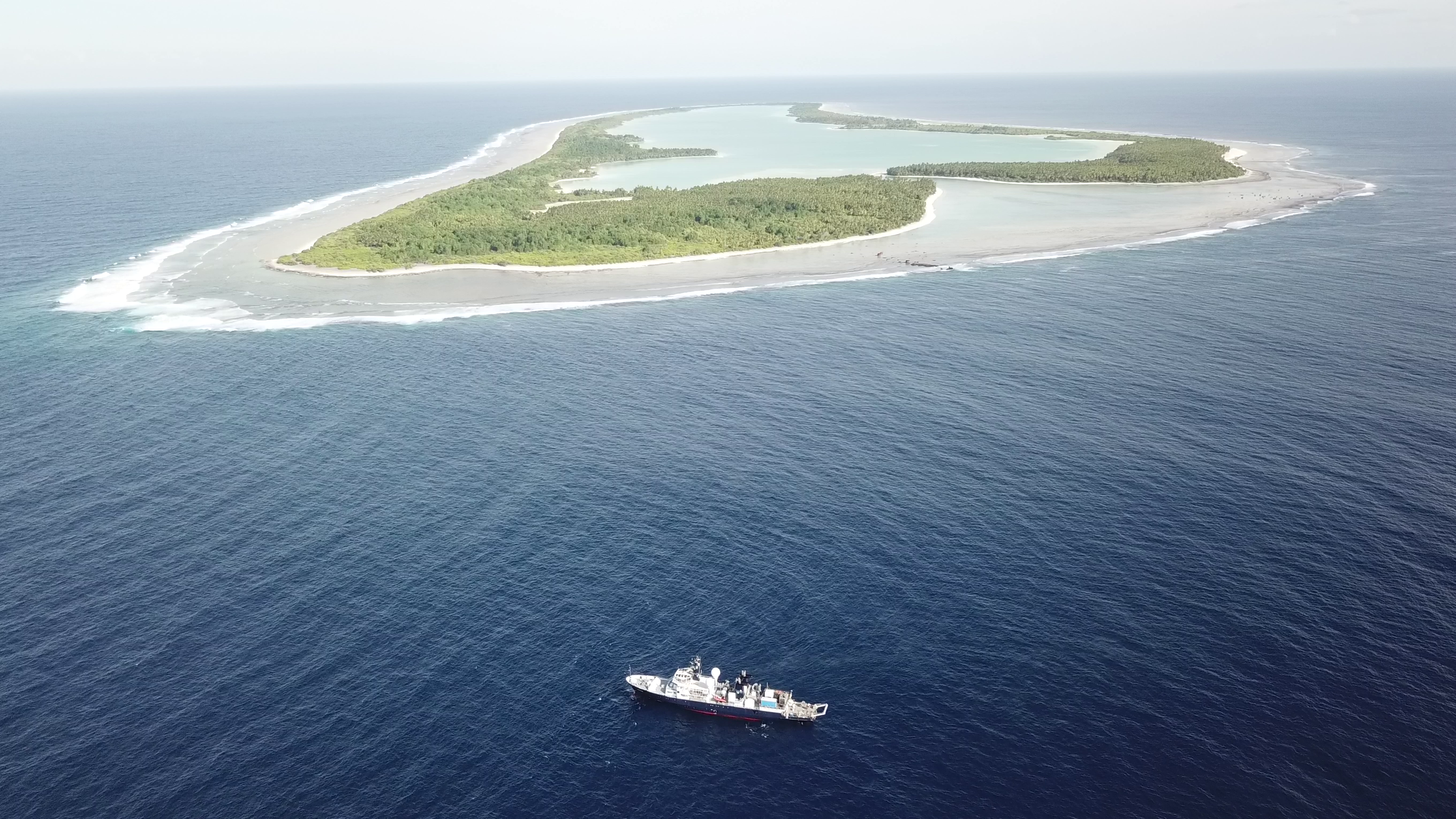
In 2017 a team of scientists set sail on the Schmidt Ocean Institute’s research vessel Falkor for the Phoenix Islands Protected Area (PIPA) in Kiribati—one of the planet’s largest protected marine areas.

As part of their exploration of the largely untouched ecosystem, the researchers collected bacteria from as deep as 3,000 meters (nearly two miles) beneath the ocean’s surface. They cultured 50 microbe strains in the onboard lab and exposed them to human and mouse immune cells in a dish. The immune cells recognized the LPS on some of the new bacterial strains and reacted the way they would to seeing more common bacteria such as Escherichia coli. Yet 80 percent of the deep-sea bacterial strains were completely unrecognizable to one or both of two common LPS-detecting pattern recognition receptors.

Schmidt Ocean Institute’s research vessel Falkor.
Schmidt Ocean Institute’s research vessel Falkor explores the Phoenix Islands Protected Area in Kiribati, one of the planet’s largest protected marine areas. Credit: Schmidt Ocean Institute

“I think the paper is super exciting,” says Sunny Shin, an immunologist at the University of Pennsylvania, who was not involved in the study. She notes that the findings go against the prevalent understanding that pattern recognition receptors can recognize any foreign molecule. Instead the new work, published in Science Immunology, suggests that these recognition receptors have evolved to only detect local microbes.

“Our immune system certainly has a need to detect every microbe that we would see as we go to Starbucks,” says Jonathan Kagan, a co-author of the study and an immunologist at Boston Children’s Hospital. But it has no need to detect microbes that live in an environment we would never naturally encounter. Such microbes include all of these 50 strains.

Does this mean we need to worry about deep-sea microbes overrunning our immune systems? Probably not. For one, bacteria that thrive in the cold, dark saltiness of the deep ocean are not likely to do well inside our warm bodies. And the immune system has many other mechanisms for sensing invasive bacteria.

Nevertheless, this study may lead to interesting clinical applications. For a long time, researchers have considered including LPS in vaccines to help kick-start the immune system, but it causes such a strong immune response that it can be dangerous. While most of the deep-sea bacteria had LPS varieties that triggered no immune response, some provoked a moderate one. Kagan says these new LPS molecules could effectively act as a dial, possibly letting researchers working on cancer vaccines fine-tune immune responses instead of just flipping a switch between zero and 10.

The deep ocean is not a traditional place for immunology research. In fact, the study was sparked by a unique collaboration between Kagan, lab member Anna Gauthier and marine ecologist Randi Rotjan, who is co-chief scientist of PIPA. Rotjan had planned an exploratory expedition and invited Gauthier to collect and characterize deep-sea bacteria along the way.

The researchers are planning another cross-disciplinary expedition to PIPA next summer to investigate more targeted questions, such as how native deep-sea organisms such as corals respond to their bacterial neighbors, Rotjan says. But the team is open to surprises, she adds:. “That’s the beauty of basic research—you never know where it’s going to go.”

The Link Lonk


March 29, 2021 at 10:00PM
https://ift.tt/3u1WGqy

Some Deep Sea Bacteria Are So Strange, Our Immune Sensors Miss Them - Scientific American

https://ift.tt/2CoSmg4
Sea

Genomic secrets of organisms that thrive in extreme deep-sea - Science Daily

sea.indah.link

A study led by scientists at Hong Kong Baptist University (HKBU) has decoded the genomes of the deep-sea clam (Archivesica marissinica) and the chemoautotrophic bacteria (Candidatus Vesicomyosocius marissinica) that live in its gill epithelium cells. Through analysis of their genomic structures and profiling of their gene expression patterns, the research team revealed that symbiosis between the two partners enables the clams to thrive in extreme deep-sea environments.

The research findings have been published in the academic journal Molecular Biology and Evolution.

Due to the general lack of photosynthesis-derived organic matter, the deep-sea was once considered a vast "desert" with very little biomass. Yet, clams often form large populations in the high-temperature hydrothermal vents and freezing cold seeps in the deep oceans around the globe where sunlight cannot penetrate but toxic molecules, such as hydrogen sulfide, are available below the seabed. The clams are known to have a reduced gut and digestive system, and they rely on endosymbiotic bacteria to generate energy in a process called chemosynthesis. However, when this symbiotic relationship developed, and how the clams and chemoautotrophic bacteria interact, remain largely unclear.

Horizontal gene transfer between bacteria and clams discovered for the first time

A research team led by Professor Qiu Jianwen, Associate Head and Professor of the Department of Biology at HKBU, collected the clam specimens at 1,360 metres below sea level from a cold seep in the South China Sea. The genomes of the clam and its symbiotic bacteria were then sequenced to shed light on the genomic signatures of their successful symbiotic relationship.

The team found that the ancestor of the clam split with its shallow-water relatives 128 million years ago when dinosaurs roamed the earth. The study revealed that 28 genes have been transferred from the ancestral chemoautotrophic bacteria to the clam, the first discovery of horizontal gene transfer -- a process that transmits genetic material between distantly-related organisms -- from bacteria to a bivalve mollusc.

The following genomic features of the clam were discovered, and combined, they have enabled it to adapt to the extreme deep-sea environment:

(1) Adaptions for chemosynthesis

The clam relies on its symbiotic chemoautotrophic bacteria to produce the biological materials essential for its survival. In their symbiotic relationship, the clam absorbs hydrogen sulfide from the sediment, and oxygen and carbon dioxide from seawater, and it transfers them to the bacteria living in its gill epithelium cells to produce the energy and nutrients in a process called chemosynthesis. The process is illustrated in Figure 1.

The research team also discovered that the clam's genome exhibits gene family expansion in cellular processes such as respiration and diffusion that likely facilitate chemoautotrophy, including gas delivery to support energy and carbon production, the transfer of small molecules and proteins within the symbiont, and the regulation of the endosymbiont population. It helps the host to obtain sufficient nutrients from the symbiotic bacteria.

(2) Shift from phytoplankton-based food

Cellulase is an enzyme that facilitates the decomposition of the cellulose found in phytoplankton, a major primary food source in the marine food chain. It was discovered that the clam's cellulase genes have undergone significant contraction, which is likely an adaptation to the shift from phytoplankton-derived to bacteria-based food.

(3) Adaptation to sulfur metabolic pathways

The genome of the symbiont also holds the secrets of this mutually beneficial relationship. The team discovered that the clam has a reduced genome, as it is only about 40% of the size of its free-living relatives. Nevertheless, the symbiont genome encodes complete and flexible sulfur metabolic pathways, and it retains the ability to synthesise 20 common amino acids and other essential nutrients, highlighting the importance of the symbiont in generating energy and providing nutrients to support the symbiotic relationship.

(4) Improvement in oxygen-binding capacity

Unlike in vertebrates, haemoglobin, a metalloprotein found in the blood and tissues of many organisms, is not commonly used as an oxygen carrier in molluscs. However, the team discovered several kinds of highly expressed haemoglobin genes in the clam, suggesting an improvement in its oxygen-binding capacity, which can enhance the ability of the clam to survive in deep-sea low-oxygen habitats.

Professor Qiu said: "Most of the previous studies on deep-sea symbiosis have focused only on the bacteria. This first coupled clam-symbiont genome assembly will facilitate comparative studies that aim to elucidate the diversity and evolutionary mechanisms of symbiosis, which allows many invertebrates to thrive in 'extreme' deep-sea ecosystems."

The research was jointly conducted by scientists from HKBU and the HKBU Institute for Research and Continuing Education, the Hong Kong Branch of the Southern Marine Science and Engineering Guangdong Laboratory (Guangzhou), The Hong Kong University of Science and Technology, City University of Hong Kong, the Japan Agency for Marine-Earth Science and Technology, the Sanya Institute of Deep-Sea Science and Engineering, and the Guangzhou Marine Geological Survey.

The Link Lonk


March 29, 2021 at 09:22PM
https://ift.tt/3daUiXK

Genomic secrets of organisms that thrive in extreme deep-sea - Science Daily

https://ift.tt/2CoSmg4
Sea

Wary of Beijing, Taiwan Doubles Down on South China Sea Island - VOA Asia

sea.indah.link

TAIPEI - Taiwan’s military has stepped up training of troops and added defensive weaponry on the contested South China Sea’s biggest natural island to prepare for any attack by Beijing, analysts believe.   

Defense Minister Chiu Kuo-cheng told parliament March 17 China was “capable” of attacking and that he wanted Taiping Island “to be ready at all times,” local media reports said. He was referring to a sparsely populated feature in the Spratly archipelago that is located 1,500 kilometers southwest of Taiwan and disputed by five other governments, including China. 

FILE - Defense Minister Chiu Kuo-cheng takes a break from speaking to lawmakers at the parliament in Taipei, Taiwan, March 25, 2021.

“That signals unequivocally that Taipei is concerned and takes China’s ambitions, statements and actions — reaffirming that Beijing intends to [capture] the island — very seriously,” said Fabrizio Bozzato, senior research fellow at the Tokyo-based Sasakawa Peace Foundation’s Ocean Policy Research Institute.   

China has alarmed Taiwan since mid-2020 by sending military aircraft almost every day over a corner of Taiwan’s air defense identification zone. On Friday, the defense ministry spotted 20 planes, an unusually high count. China has added hangars and radar systems to its own seven holdings in the Spratly chain over the past decade.    

Taiping Island, an outpost also known as Itu Aba, would be easier for China to take compared to Taiwan because it covers just 46 hectares (110 acres), some analysts say. The tropical landform supports an air strip, a pier and a small hospital.   

To “strain and exhaust Taiwan’s air crew and sailors” and “aggravate” Taiwan’s citizens, China could “demonstrate its power by invading one or another offshore island controlled by Taiwan” including Taiping, the research organization Council on Foreign Affairs said in a special report last month.   

The Beijing government claims self-ruled Taiwan as part of its territory, a leftover issue from the Chinese civil war of the 1940s, and it has not ruled out the use of force to unify the two sides.   

Taiwanese have told government polls they prefer autonomy over unifying with China. Taiwan President Tsai Ing-wen rejects Beijing’s “one-China” principle as a condition for any dialogue. The two sides have not spoken formally since 2016.    

Brunei, Malaysia, the Philippines and Vietnam claim all or parts of the South China Sea, as well. Vietnam, worried about China as well, has landfilled its Spratly holdings over the past two years and the Philippines asked this month that China withdraw about 200 fishing boats from the archipelago. The six claimants look to the sea for fisheries and undersea fuel reserves.  

China’s not the Only Country Fortifying Tiny Islets in a Contested Asian Sea

Vietnam keeps adding military installations to some of its 10 holdings in the Spratly Islands, according to an initiative under the Center for Strategic and International Studies research organization

Vietnam warily eyes Taiwan’s development on Taiping Island but it is not considered a threat.

Beijing cites historical usage records to back its Spratly claims and has alarmed the other South China Sea claimants by developing islets for military infrastructure. China maintains the world’s third largest armed forces and ships occasionally rile Southeast Asian states by entering their exclusive economic zones. 

Taiwan further bulked up last week by signing a coast guard cooperation memorandum of understanding with the United States. The two sides said Thursday they would create a working group to build cooperation and share information. Taiwan’s coast guard is in charge of protecting Taiping Island.   

The U.S. government already sells advanced weapons to Taiwan and has the option of defending it if attacked. Washington recognizes Beijing diplomatically but remains Taiwan’s staunchest informal ally. China resents U.S. help for Taiwan and condemned last week’s coast guard agreement.  

“Taiwan is definitely a spot between the U.S. and China, and also cross-Strait relations are really deteriorated,” said Wang Wei-chieh, Taiwan-based analyst and co-founder of the FBC2E International Affairs Facebook page. When considering the threat of war, he said, “we are not really scared of it, but we are also prepared for it.” 

There is no immediate “reason” for China to attack Taiping Island, Wang said.   

China has not said it plans to attack any Taiwanese holdings and on March 4 Chinese Premier Li Keqiang said his government was committed to “peaceful growth of relations”. Chinese officials base their own claim to 90% of the disputed 3.5 million-square-kilometer sea on a demarcation line established by Taiwan’s constitutional government, the Republic of China.   

“How could it attack Taiping Island? China is doing everything possible to create an impression that the two sides are united fighting against outsiders including the United States, Vietnam and the Philippines,” said Chao Chien-min, dean of social sciences at Chinese Culture University in Taipei. “If they want to strike, it won’t be there.” 

The Link Lonk


March 29, 2021 at 06:31PM
https://ift.tt/3foMsfZ

Wary of Beijing, Taiwan Doubles Down on South China Sea Island - VOA Asia

https://ift.tt/2CoSmg4
Sea

Featured Post

Dutch defence minister: 'irresponsible' Russian jets harassed frigate in Black Sea - Reuters

sea.indah.link AMSTERDAM, June 29 (Reuters) - The Netherlands' defence minister said on Tuesday that Russian fighter jets armed with a...

Popular Posts